
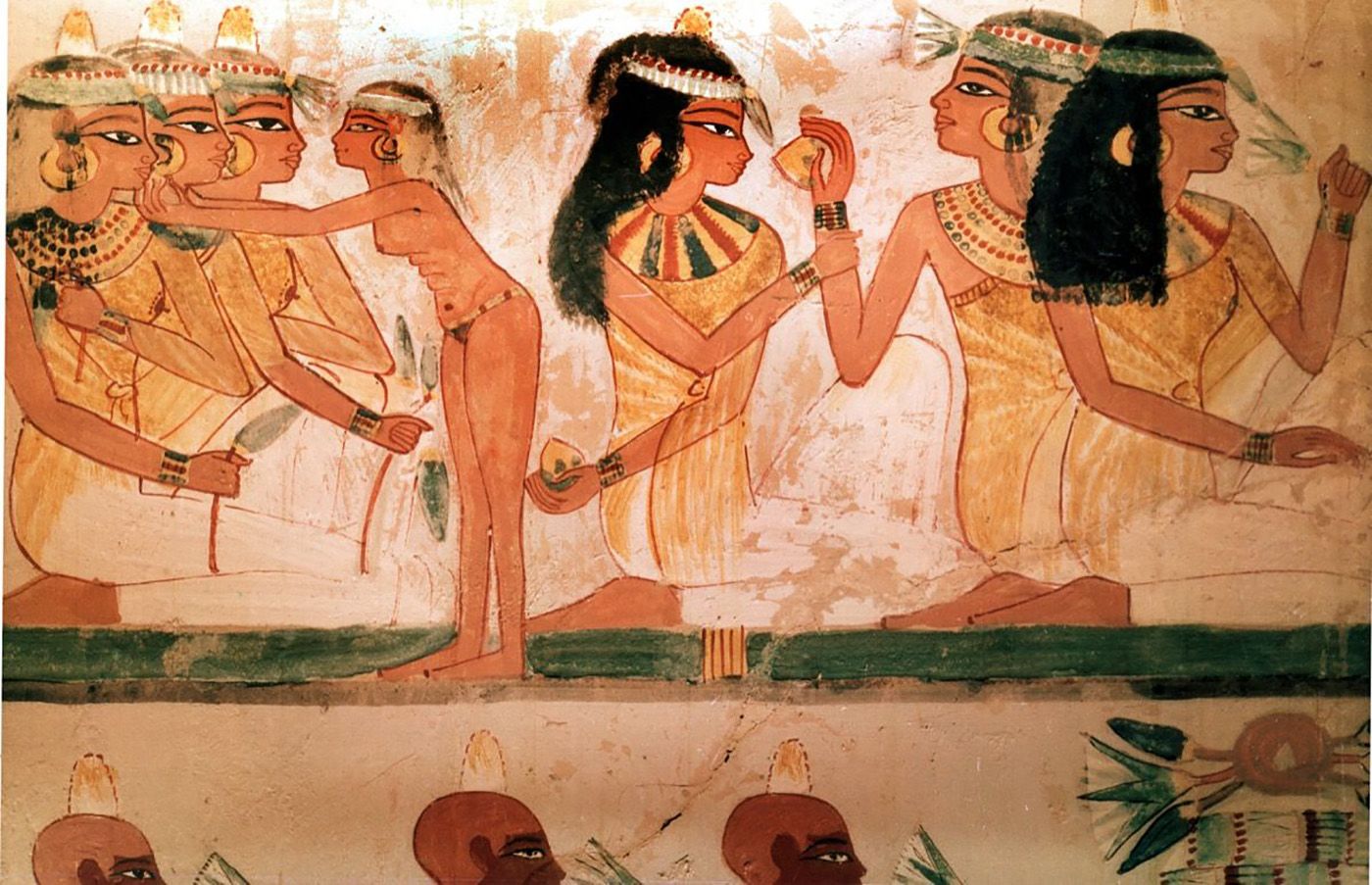
Cleopatra VII Thea Philopator, the last active ruler of the Ptolemaic Kingdom of Egypt, is one of history’s most recognizable and mythologized figures. Beyond her intelligence, political savvy, and legendary romances with Julius Caesar and Mark Antony, Cleopatra’s image endures as a symbol of exotic glamour, power, and seduction. Central to this lasting allure is the art of her makeup—a style so iconic that, two millennia later, it continues to inspire artists, makeup lovers, fashion designers, and filmmakers alike.
Continue reading “The Art of Cleopatra’s Makeup: Ancient Secrets, Timeless Allure”Midsommar
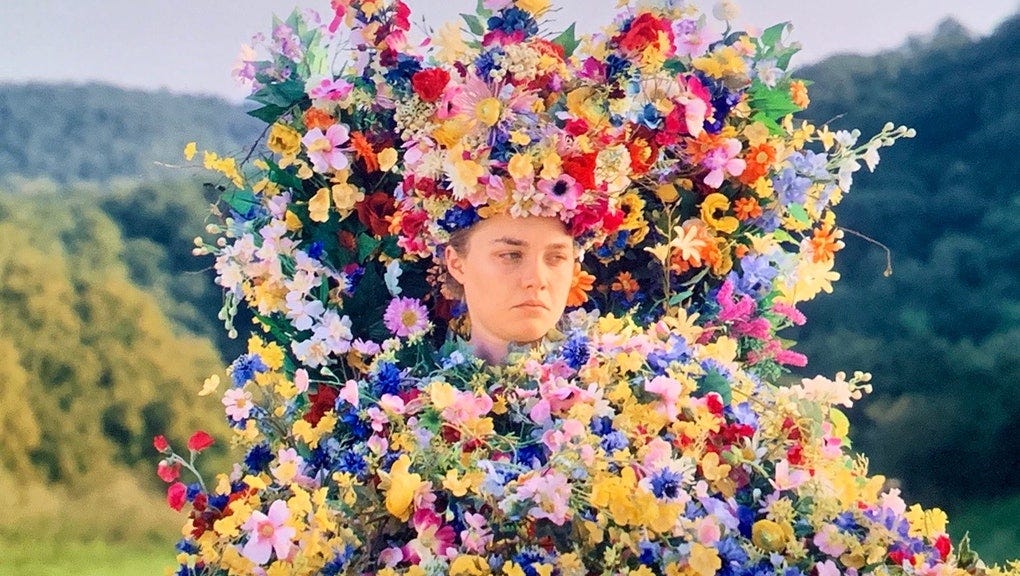
In 2017, Ari Aster absolutely mesmerized audiences with his debut movie, Hereditary. Fast forward to today, and his latest creation, Midsommar, fearlessly delves into themes of grief and spirituality in a profoundly unsettling manner. Through meticulous staging and intricate art direction, both films offer a glimpse into the director’s inner world. Aster fearlessly pushes the boundaries of genre elements, presenting startlingly fresh interpretations that may not always seamlessly integrate into the narrative. Each film boasts its own distinctive style, with Hereditary immersing viewers in darkness while Midsommar uncovers horror beneath an ostensibly idyllic facade.
Aster’s masterful manipulation of emotion is strikingly apparent in Midsommar. The protagonist, college student Dani (Florence Pugh), grapples with profound grief following a family tragedy. Seeking solace from her distant boyfriend Christian (Jack Reynor), she becomes aware of his intention to end their relationship through conversations with his friends – charismatic Pelle (Vilhelm Blomgren), inquisitive Josh (William Jackson Harper), and brash Mark (Will Poulter). Sensing Dani’s distress, Christian alters his plans and invites her to accompany him on a journey to Pelle’s secluded religious community in rural Sweden. The palpable sense of foreboding is unmistakable from the start, heightened by Dani’s profound depression. This not only threatens to overshadow the planned festivities of the friends, but also engulfs the film’s opening with an almost unbearable unease long before the anticipated horrors unfold.
“The Harga” visit in “Midsommar” escalates into an incredibly intense and unsettling experience. The movie delves deep into themes of ritual, religion, and a cult-like mindset, shining a spotlight on the community’s questionable customs. Yet, the true power of the film extends far beyond its disturbing scenes, making it unsuitable for some viewers. Dani’s heart-wrenching realization of being an unwanted outsider shatters her world, ultimately leading to an unexpected and profound transformation.
Midsommar exudes an undeniable power as it delves deep into the intricate complexities of human existence. Through its compelling narrative, the film masterfully portrays the intense quest for belonging that drives lost souls. It artfully unravels the profound impact of religion in filling the emotional void, often without individuals even realizing it. Furthermore, Midsommar vividly illustrates the perilous convergence of group mentality and personal turmoil, forging a chilling yet compelling form of happiness that can abruptly descend into darkness, even amidst the radiant light of day.
Dani, played by Pugh, delivers an outstanding performance in this role. She evolves from a guilt-ridden and obscure persona into a determined individual seeking revenge, showcasing both vulnerabilities and strengths. As the plot unravels, Aster and Pugh masterfully illustrate Dani’s transformation with such precision that one cannot help but admire and critique her. Her emotional journey garners support while her questionable decisions provoke disapproval.
Midsommar unleashes its most potent power as it delves into the lengths disoriented individuals are willing to go to in order to find a profound sense of belonging. It passionately explores the profound impact of religion in filling voids that some people are unaware of having, shedding light on how the combination of mob mentality with the underlying personal disappointments and tragedies of each individual can lead to a bankrupt ecstasy that delves into darkness, even amidst the brightness of day.
Aster is passionate about revealing the nuanced aspects of spirituality. Rather than spoon-feeding answers, he ignites thought-provoking discussions. He believes in the power of showing, not telling, allowing audiences to unravel the truth themselves. Dani’s compelling story sparks fervent conversations about discovering warmth in a seemingly cold world, striving to mend within a flawed system, and the peril of neglecting spiritual potential, succumbing to anger, and losing touch with reality.
The movie Midsommar is packed with so much depth and meaning that it may take a keen eye to fully grasp all its intricacies. From the intense rivalry between Christian and Josh to the subtle exploration of racial issues, there’s a lot to unpack. However, amidst all this, Dani stands out as a powerful symbol of women overcoming mistreatment. Florence Pugh’s performance, particularly in the closing scene, beautifully captures the essence of liberation. It’s a truly moving experience that leaves the audience feeling empowered and uplifted.
Tanya Natazsha
Thank you for reading my content. I’m glad that you’ve immersed yourself in my article and I genuinely hope you found something that resonated with you on a deeper level. I curated this website which is a cozy sanctuary for things I adore. Encompassing traditional and digital art, the soul-stirring melodies of classic rock music, and the timeless allure of classic movies. I also share my appreciation for antique treasures and the mysterious charm of well-preserved historical, cultural, or environmental landmarks. This space mirrors my passion for these timeless wonders, and I am thrilled to share this journey with fellow enthusiasts. Through my website, I aim to foster a sense of appreciation for the arts, music, cinema, and the amazing tapestry of history and cultural heritage. It’s a passion project that allows me to share what I love while also connecting with like-minded individuals who hold similar interests.
I am also passionate about the articles I curate under https://medium.com/@tanyanatazsha, where I delve into spirituality, art, philosophy, psychology, and beauty. It’s a platform where I pour my heart and soul into writing about these subjects that truly inspire me.
https://beacons.ai/tanyanatazsha
For inquiries/collaborations:
tanyanatazshacontact@gmail.com
U.K. Mastered the Art of Rock & Roll

Britain has long been the breeding ground for iconic rock and pop acts, despite its population being only a fraction of that of the United States. This remarkable cultural phenomenon not only emerged in the past but also endures to this day.
During the 1960s and 1970s, the UK became a center of musical creativity, producing iconic rock bands such as The Beatles, Pink Floyd, The Rolling Stones, The Clash, and The Police. Despite America’s leading position in the music scene due to its larger population, the UK’s significant musical impact during this period may come as a surprise.
The UK’s prominent position in rock music is attributed to the widespread embrace of African American music by British youth. While African American music faced resistance from white audiences in the US, it deeply resonated with the younger generations in the UK. Influenced by imported blues musicians, British youth aimed to emulate this music, crafting their own sound by altering blues structures and incorporating elements of English music, resulting in a more upbeat style of rock and roll.
The British Invasion era saw a rapid rise in popularity of English blues-based bands like The Beatles, The Rolling Stones, and The Who in America. This led to record labels and publicists eagerly signing British bands with a contemporary sound, using their British origin as a marketing advantage. Consequently, American record companies started to disregard American groups and turned their attention to signing British bands, or tried to develop American bands with a similar sound.
England witnessed the emergence of two distinct types of rock music. In London, musicians refined their craft in R&B under the guidance of seasoned players, shaping the talents of iconic guitarists like Keith Richards, Eric Clapton, and Jimmy Page.
The emergence of “Merseybeat”, a musical style blending rock and roll rhythms with captivating melodies and vocal harmonies, coincided with the rise of The Beatles in 1960. After honing their skills in Liverpool and Germany, they caught the attention of record producer George Martin. Their subsequent success in the UK charts and domination of the American music scene in 1964 ignited the widely celebrated “British Invasion”, paving the way for other British acts to captivate American audiences.
In the midst of the British rock music’s surge, surf music also gained traction in Los Angeles. Dick Dale, a trailblazing American-Lebanese guitarist, was instrumental in shaping a distinct style of instrumental rock by fusing Middle-Eastern melodies with the core of rock and roll. His pioneering use of reverb profoundly influenced the Beach Boys, a prominent group in the surf music scene. Known for their intricate vocal harmonies and chart-topping tracks like “Barbara Ann” and “California Girls,” the Beach Boys attained remarkable success with “Good Vibrations,” a psychedelic rock anthem released in 1966.
Until the British Invasion of 1964, surf music was popular. The Beatles’ rise to the top of the US charts transformed the music landscape. They used John Lennon and Paul McCartney’s songwriting skills and George Martin’s recording techniques to pioneer new forms of rock. Their encounters with Bob Dylan led to songs addressing social and political themes. They also incorporated Eastern musical elements and experimented with psychedelic rock.
The Beatles’ spirit of experimentation and pursuit of creative freedom influenced bands like Pink Floyd and Cream in the UK, leading to the incorporation of improvisation in their performances, inspired by the freedom in jazz. This freedom captivated Jimi Hendrix, who, unable to find like-minded musicians in New York, turned to the British music scene. In late 1966, he formed The Jimi Hendrix Experience, which gained success through singles like “Hey Joe” and “Purple Haze,” and a captivating performance at the 1967 Monterey Pop Festival, securing his future in the music industry.
Noel Gallagher claimed in an interview with TIME that Oasis was the last genuine rock ’n’ roll band, as they were ‘pre-YouTube’. He suggested that the true experience has been lost, as everything is now accessible at the touch of a screen, eliminating the necessity to physically be somewhere. Do you think his viewpoint holds merit?
The dominant music genre in Britain today is processed pop, possibly due to the decreased demand for deep lyrics and original artists. Music now plays a supportive role for teenagers rather than a liberating one, as access to everything on their phones has lessened the need for effort.
There is a debate about the impact of technology on our activity levels and the focus of contemporary music on profit rather than artistic integrity. It’s noted that much of recent pop music is created by songwriter-producers rather than the artists themselves.
The content describes the thriving rock music scene in various cities in the UK, emphasizing the enduring significance of the genre in British culture. It mentions specific bands and highlights the energy and passion present in the different variations within the rock genre. The overall tone is optimistic, showcasing hope and vitality in the rock music scene.
Tanya Natazsha
Thank you for reading my content. I’m glad that you’ve immersed yourself in my article and I genuinely hope you found something that resonated with you on a deeper level. I curated this website which is a cozy sanctuary for things I adore. Encompassing traditional and digital art, the soul-stirring melodies of classic rock music, and the timeless allure of classic movies. I also share my appreciation for antique treasures and the mysterious charm of well-preserved historical, cultural, or environmental landmarks. This space mirrors my passion for these timeless wonders, and I am thrilled to share this journey with fellow enthusiasts. Through my website, I aim to foster a sense of appreciation for the arts, music, cinema, and the amazing tapestry of history and cultural heritage. It’s a passion project that allows me to share what I love while also connecting with like-minded individuals who hold similar interests.
I am also passionate about the articles I curate under https://medium.com/@tanyanatazsha, where I delve into spirituality, art, philosophy, psychology, and beauty. It’s a platform where I pour my heart and soul into writing about these subjects that truly inspire me.
https://beacons.ai/tanyanatazsha
For inquiries/collaborations:
tanyanatazshacontact@gmail.com
Painting With Soil

Soils are vital natural resources that support food production and contribute to the aesthetic appeal of our surroundings.
Soil colors are often overlooked in landscapes but they add vibrancy and can be used as pigments in applications like bricks and pottery. Soil colors can also be utilized to create vibrant paints and artwork.
The use of earthen pigments, particularly ochre which comes in various colors, has been prevalent in history for religious and decorative purposes. Ochre, derived from iron, is known for its non-toxic properties and is commonly used in the creation of oil paints.
Soils have been depicted in art for centuries, with painters like Hieronymus Bosch using them to convey religious symbolism. In the 1950s, a movement called Land Art emerged, where soil became the central focus of artworks.
Throughout history, people have been captivated by colors and paint. From cave paintings to the decoration of cathedrals in Europe, the use of natural paint has played a significant role in creating beautiful landmarks. Ancient civilizations, like the Aboriginals, also utilized natural paints with vibrant color pigments, similar to those used today. Paint has truly evolved over time, leaving a lasting impact on our artistic and cultural heritage.
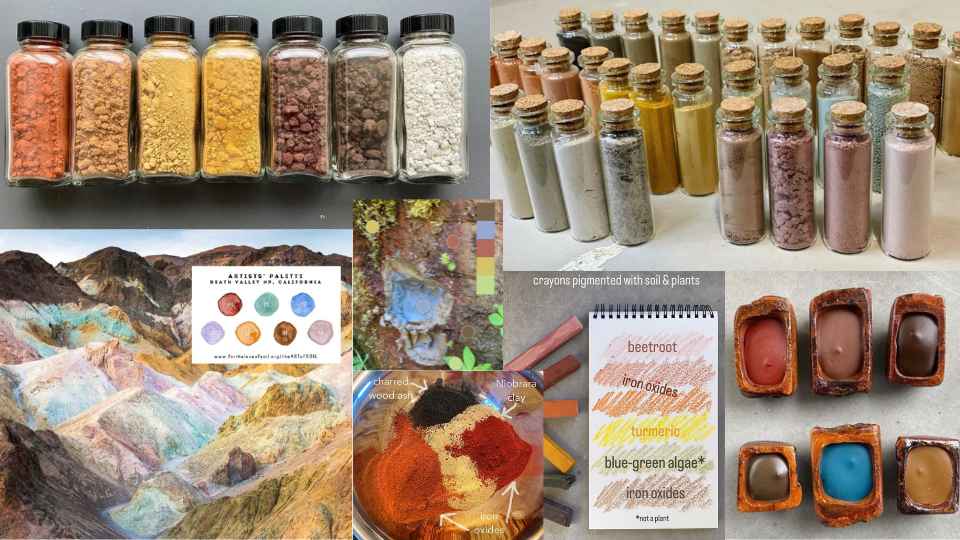
CTTO: The Art Of Soil Karen Vaughan
Soil paints are eco-friendly, non-toxic, and biodegradable alternatives to traditional paints. Ensuring a chemical-free environment and promoting the well-being of individuals. It is an eco-friendly alternative to standard paints as they require less energy to produce and are made from renewable resources, making them sustainable.
Soil paints allow moisture to penetrate, unlike standard paints that create a plastic-like coating. This breathable quality of natural paints is beneficial for fixing and preventing moisture problems.
One of the best online stores to purchase soil paints is undoubtedly The Art Of Soil curated by the talented soil scientist and artist Karen Vaughan. You can trust their exceptional collection to bring your artistic creations to life.
The Art of Soil is a small, woman-owned business centered around sharing the beauty, importance, and love of soil. By creating & offering soil-based art supplies, we are increasing the accessibility and availability of high-quality, earth-friendly art supplies for those who are interested in learning more about soils and creating with ecologically considerate supplies.
 TANYA NATAZSHA