
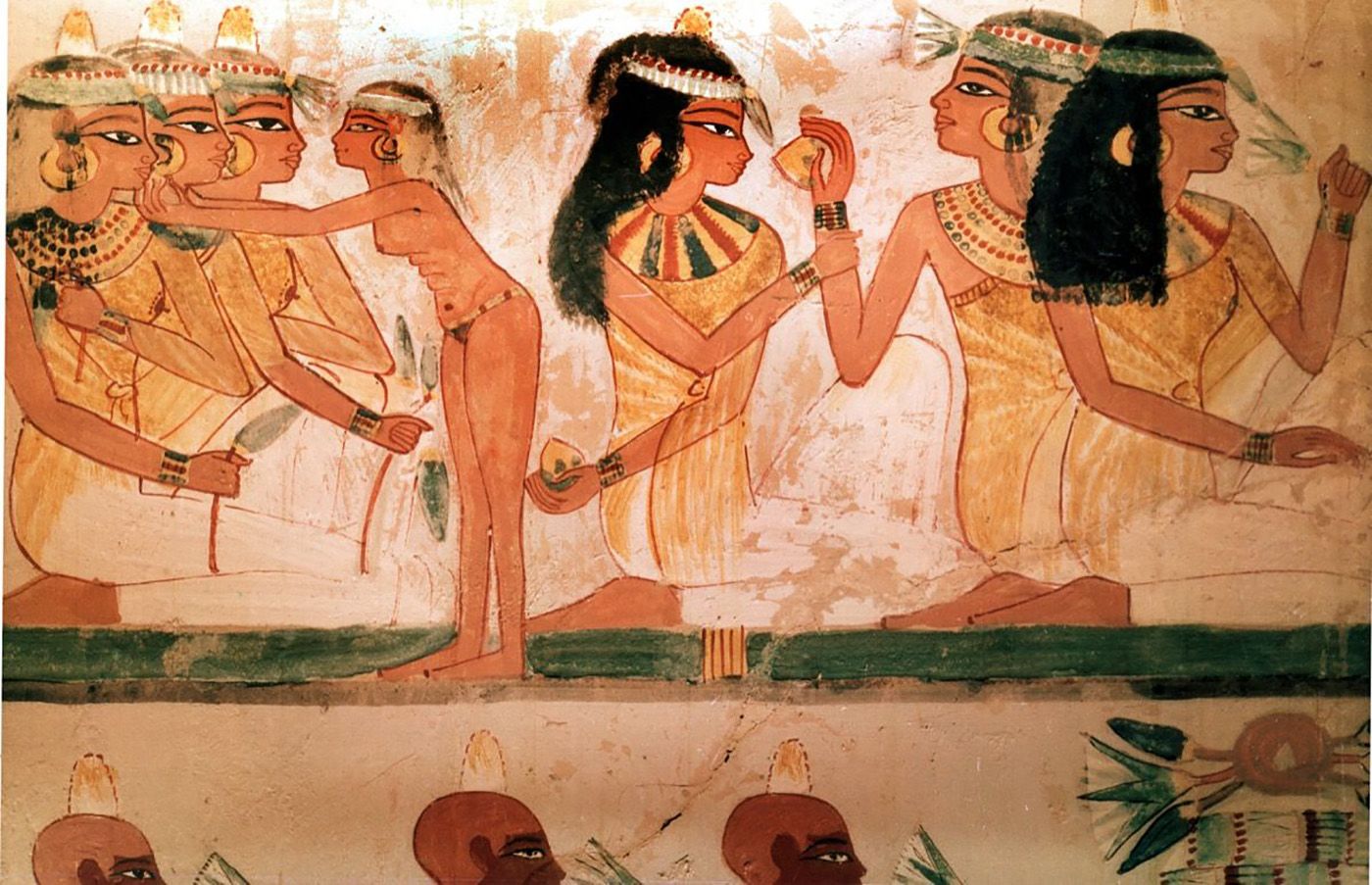
Cleopatra VII Thea Philopator, the last active ruler of the Ptolemaic Kingdom of Egypt, is one of history’s most recognizable and mythologized figures. Beyond her intelligence, political savvy, and legendary romances with Julius Caesar and Mark Antony, Cleopatra’s image endures as a symbol of exotic glamour, power, and seduction. Central to this lasting allure is the art of her makeup—a style so iconic that, two millennia later, it continues to inspire artists, makeup lovers, fashion designers, and filmmakers alike.
But Cleopatra’s makeup was more than just an aesthetic choice. It was an act of identity, spirituality, self-care, and even political propaganda. This article explores the history, symbolism, application techniques, and modern adaptations of the “Cleopatra makeup look,” revealing why this ancient art remains so magnetic today.
I. Historical Context: Makeup as Power and Protection
𒈔 Beauty in Ancient Egypt
To understand Cleopatra’s makeup, we must first look at Ancient Egyptian cosmetics culture, which was highly advanced and widely practiced across social classes and genders.
Makeup was not just decorative; it had cultural, medicinal, and spiritual functions. Egyptians believed cosmetics protected them from the harsh sun, warded off infection, and shielded them against the evil eye. Kohl, malachite, and other pigments were ground with care, and makeup rituals were part of daily life and burial rites alike.
𒈔 Cleopatra’s Personal Image
As a queen, Cleopatra was acutely aware of the power of visual symbolism. Her makeup was carefully curated to project royal authority, divine lineage (she often styled herself as Isis incarnate), and irresistible charm. Ancient coins, frescoes, and statues all emphasize her commanding gaze—framed by heavily lined eyes that became her signature.
II. The Elements of Cleopatra’s Makeup
1. Kohl Liner: The Iconic Eye
Arguably the most famous element of Cleopatra’s look is the bold black liner. Egyptians used kohl—a paste made from ground galena (lead sulfide) mixed with fat or oil—to line both upper and lower lids. This wasn’t just cosmetic:
- Medical benefits: Kohl protected eyes from infections like conjunctivitis.
- Practical use: It reduced sun glare, functioning much like modern sports glare paint.
- Spiritual protection: Kohl was believed to ward off the evil eye.
Cleopatra’s liner extended well beyond the eye’s edge in dramatic wings, creating an elongated, feline shape that suggested mystery and power.
2. Green Malachite and Blue Lapis Lazuli Shadows
Eye makeup didn’t stop at kohl. Cleopatra also wore green or blue shadows:
- Malachite (green copper ore) was ground into a vivid pigment for the lids.
- Lapis Lazuli, a precious stone imported from Afghanistan, was crushed to create a brilliant ultramarine.
These colors had symbolic value (green for rebirth, blue for protection) and showed off wealth and trade connections.
3. Complexion: Skin Care as Status
While modern images of Cleopatra might suggest flawless skin with a warm bronze glow, historical records indicate Egyptians valued smooth, even-toned skin. They used:
- Oils (like moringa or castor) to moisturize and protect.
- Unguents perfumed with myrrh and frankincense.
- Natural exfoliants like ground alabaster.
Cleopatra was said to have bathed in milk and honey—ingredients that soften skin and symbolize luxury.
4. Rouge and Lip Color
Though less documented than eye makeup, red pigments were used for lips and cheeks. Egyptian women crushed ochre and carmine (from insects) to produce rich reds. Cleopatra likely enhanced her lips and cheeks with these tones, balancing the dramatic eyes.
III. Symbolism and Spirituality
Cleopatra’s makeup was not only about beauty but also layered with meaning:
- Divine identification: She linked herself with Isis, the goddess often depicted with elaborate eye makeup.
- Seduction and power: Her beauty rituals reinforced her reputation as an irresistible queen who could bend even Roman conquerors to her will.
- Cultural pride: By embracing Egyptian styles instead of purely Hellenistic ones, Cleopatra positioned herself as the true native queen of Egypt.
Makeup was propaganda as much as art.
IV. The Application Ritual
Far from a quick routine, makeup in Cleopatra’s time was a ritual:
- Grinding pigments on palettes.
- Mixing kohl with oil or fat.
- Applying with precision using reeds or small sticks.
- Anointing the skin with scented oils.
These steps were performed slowly and deliberately—an act of self-care and transformation.
V. Modern Interpretations: Cleopatra in Popular Culture
Cleopatra’s makeup has been endlessly reimagined in art, fashion, and film:
- Theda Bara (1917): Early silent-film vamp with smoky, sultry eyeliner.
- Elizabeth Taylor (1963): Perhaps the most famous cinematic Cleopatra look, with vibrant blue shadows and hyper-dramatic wings.
- Beyoncé, Rihanna, Lady Gaga: Modern pop stars channel Cleopatra’s look for music videos and red carpets.
- Runway and editorial: Designers like Jean Paul Gaultier and Dolce & Gabbana have featured Cleopatra-inspired makeup in their collections.
Modern versions exaggerate the cat-eye shape, use metallic pigments, and play with bold colors, but the essence remains: bold liner, jewel-toned shadows, regal glamour.
VI. How to Do Cleopatra’s Makeup Today
Here’s a simplified modern approach:
- Base: Dewy, even foundation. Highlight cheekbones lightly.
- Eyes:
- Line upper and lower lash lines thickly with black gel or liquid liner.
- Extend wings dramatically at outer corners.
- Add green or blue shadow on lids or lower lash line.
- Brows: Defined and arched.
- Lashes: Voluminous mascara or falsies.
- Cheeks/Lips: Muted peach or rose tones, letting eyes take center stage.
Optional extras: metallic gold accents on the lids or inner corners for a pharaonic finish.
VII. Beyond Beauty: Cleopatra’s Legacy
The power of Cleopatra’s makeup transcends the aesthetic. It tells us about:
- Artistry: Egyptians were master chemists and artists.
- Identity: Makeup was an assertion of cultural pride and divine heritage.
- Power: Beauty was weaponized in politics and seduction.
- Endurance: This ancient style is so compelling that it continues to evolve today.
VIII. Step-by-Step Cleopatra Makeup Tutorial (Modern Interpretation)
If you want to try your own Cleopatra-inspired look at home, here’s a modern, easy-to-follow tutorial:
𒈔 Step 1: Prep Your Skin
- Cleanse thoroughly.
- Moisturize to create a smooth base.
- Apply primer for longevity.
𒈔 Step 2: Flawless Base
- Use a dewy or satin-finish foundation to even skin tone.
- Apply concealer where needed.
- Lightly set with translucent powder (avoid overly matte finishes).
𒈔 Step 3: Subtle Contour and Highlight
- Lightly contour cheekbones, jawline, and temples.
- Add highlighter on the tops of cheekbones, bridge of nose, and Cupid’s bow for a radiant glow.
𒈔 Step 4: Brows
- Fill in brows with a pencil or powder to create a defined, arched shape.
- Brush through with spoolie for a natural finish.
𒈔 Step 5: Eyeshadow Base
- Apply a neutral eyeshadow primer or cream base.
- Sweep a light beige or skin-tone shadow across the lid as a base.
𒈔 Step 6: Jewel Tones
- Pack green or blue eyeshadow onto the lid (or both for a dramatic ombre).
- Blend carefully but maintain bold color payoff.
- Optionally, add metallic gold or bronze to the inner corners for a regal touch.
𒈔 Step 7: Signature Eyeliner
- Use black gel or liquid liner to line the upper lash line.
- Extend dramatically past the outer corner in a sharp wing.
- Line the lower lash line thickly, connecting to the wing.
- For extra drama, line the waterline with kohl pencil.
𒈔 Step 8: Lashes
- Curl lashes.
- Apply generous coats of volumizing black mascara.
- Add false lashes if desired for maximum impact.
𒈔 Step 9: Cheeks
- Apply a soft peach or muted rose blush to the apples of the cheeks, blending toward the temples.
𒈔 Step 10: Lips
- Line lips if needed for definition.
- Choose a muted peach, soft rose, or warm nude lipstick to balance bold eyes.
𒈔 Step 11: Finishing Touch
- Light spritz of setting spray to lock in the look.
Optional: Wear bold gold jewelry and a statement headpiece to complete the queenly effect.
Conclusion
Cleopatra’s makeup isn’t just an old-fashioned cat-eye. It’s a time-tested statement of authority, mystery, and allure. From ground minerals in alabaster jars to modern palettes of shimmering pigments, the art of Cleopatra’s makeup continues to inspire and empower.
It is a reminder that beauty rituals are rarely superficial. They’re a language—a way of saying I am powerful, I am divine, I am unforgettable.
In studying and recreating Cleopatra’s look, we don’t just copy a style; we participate in an ancient tradition of art, identity, and seduction that has stood the test of time.
Tanya Natazsha
I curated this website, a cozy sanctuary for the things I adore. Encompassing traditional and digital art, the soul-stirring melodies of classic rock music, and the timeless allure of classic movies. I also share my appreciation for antique treasures and the mysterious charm of well-preserved historical, cultural, or environmental landmarks. This space mirrors my passion for these timeless wonders, and I am thrilled to share this journey with fellow enthusiasts. Through my website, I aim to foster a sense of appreciation for the arts, music, and cinema. I also want to highlight the amazing tapestry of history and cultural heritage. It’s a passion project that allows me to share what I love.
I also curate articles under https://medium.com/@tanyanatazsha, where I delve into spirituality, art, philosophy, psychology, and beauty. It’s a platform where I pour my heart and soul into writing about these subjects that truly inspire me.
 TANYA NATAZSHA